


Knee pain is one of the most common orthopedic problems affecting people of all ages. Among different knee injuries, a meniscus tear is one of the most frequently diagnosed conditions, especially in athletes, active adults, and older individuals. A torn meniscus can make walking, bending, climbing stairs, or even standing uncomfortable and painful. Many patients often wonder whether they need surgery or if non-surgical treatment can help them recover.
Understanding the difference between surgical and non-surgical care is important for choosing the right treatment. If you are searching for the best Meniscus Tear Treatment in Jaipur, this guide explains everything in simple language, including symptoms, causes, treatment options, recovery, and when surgery becomes necessary.
What Is a Meniscus Tear?
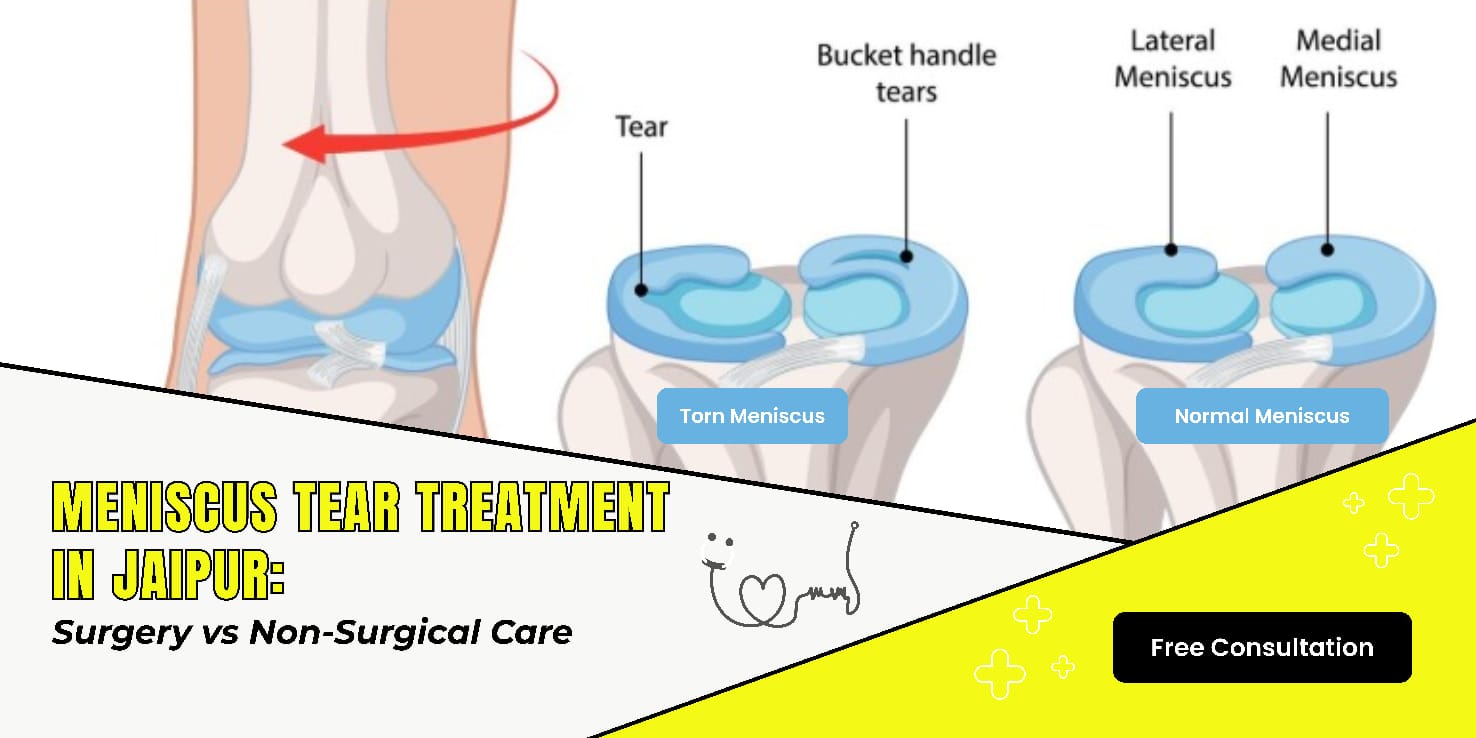
The meniscus is a soft cartilage structure inside the knee joint that acts like a cushion between the thigh bone and shin bone. Each knee has two menisci that help absorb shock, support stability, and protect the joint during movement.
A meniscus tear happens when this cartilage gets damaged due to sudden twisting movements, sports injuries, aging, or excessive pressure on the knee. Younger people often experience tears during sports activities, while older adults may develop degenerative tears because the cartilage becomes weaker with age.
Common Symptoms of a Meniscus Tear
The symptoms of a meniscus tear can vary depending on the size and location of the injury. Some people experience mild discomfort, while others may face severe pain and movement restrictions.
Common signs include:
- Knee pain while walking or bending
- Swelling around the knee joint
- Stiffness and reduced flexibility
- A popping sensation during injury
- Difficulty straightening the knee fully
- Knee locking or catching during movement
- Feeling that the knee may give way
In some mild cases, symptoms improve with rest, while severe tears may continue causing pain and instability.
Causes of Meniscus Tears
Meniscus injuries can occur due to sudden knee twisting, deep squatting, sports accidents, or direct trauma. Athletes involved in football, cricket, basketball, running, or gym workouts are more likely to experience this injury.
Older adults may develop meniscus tears even during normal daily activities because aging gradually weakens the cartilage. Obesity, poor joint health, and previous knee injuries can also increase the risk.
How Doctors Diagnose a Meniscus Tear
Diagnosis usually begins with a physical examination where the orthopedic specialist checks knee movement, swelling, tenderness, and stability. Imaging tests such as MRI scans are commonly used to confirm the tear and understand its severity.
An accurate diagnosis helps determine whether the patient can recover with conservative treatment or requires surgery.
Non-Surgical Treatment for Meniscus Tear
Not every meniscus tear requires surgery. Many patients recover successfully with non-surgical treatment, especially if the tear is small, stable, or caused by gradual degeneration.
Conservative treatment mainly focuses on reducing pain, controlling inflammation, and improving knee function naturally.
Rest and Activity Modification
Patients are usually advised to avoid activities that place pressure on the knee joint. Rest helps reduce irritation and allows healing to begin.
Ice Therapy and Pain Management
Cold therapy can help decrease swelling and discomfort. Doctors may also prescribe pain-relieving medicines or anti-inflammatory medications to improve comfort during recovery.
Physiotherapy and Rehabilitation
Physiotherapy is one of the most important parts of non-surgical treatment. Strengthening exercises improve muscle support around the knee and help restore mobility and balance.
Regular physiotherapy can significantly improve recovery without surgery for many patients.
Knee Bracing
In some cases, knee braces provide additional support and stability while the joint heals.
When Is Surgery Needed for a Meniscus Tear?
Surgery may be recommended when non-surgical care does not provide relief or when the tear is severe. Patients experiencing persistent pain, knee locking, instability, or limited movement often require surgical treatment.
Young athletes and active individuals with major tears may also benefit from surgery to restore knee function and prevent long-term damage.
Types of Meniscus Surgery
Modern orthopedic treatment offers minimally invasive surgical techniques that help patients recover faster with less discomfort.
Meniscus Repair Surgery
If the tear occurs in an area with good blood supply, surgeons may repair the damaged cartilage using special surgical techniques. Repair surgery helps preserve the natural meniscus structure and supports long-term knee health.
Meniscectomy
In cases where repair is not possible, the damaged part of the meniscus may be removed carefully to reduce pain and improve movement.
Arthroscopic Knee Surgery
Most meniscus procedures are performed using arthroscopy, a minimally invasive technique where surgeons use small instruments and a camera through tiny incisions. This approach usually results in less pain, smaller scars, and quicker recovery.
Surgery vs Non-Surgical Care: Which Is Better?
The best treatment depends on several factors, including age, activity level, tear type, severity of symptoms, and overall knee condition.
Non-surgical treatment is often suitable for:
- Small tears
- Mild symptoms
- Older patients with degenerative tears
- Patients with stable knees
Surgery may be better for:
- Large or complex tears
- Persistent pain
- Knee locking
- Sports-related injuries
- Active individuals wanting faster functional recovery
An experienced orthopedic specialist evaluates the patient carefully before recommending the most suitable treatment plan.
Recovery After Meniscus Tear Treatment
Recovery time varies depending on the treatment method. Patients receiving non-surgical care may recover within a few weeks to months through proper physiotherapy and lifestyle changes.
After arthroscopic surgery, many patients start walking within a short period and gradually return to normal activities. Full recovery may take several weeks or months, depending on the procedure and rehabilitation progress.
Following medical advice and physiotherapy instructions is essential for achieving better long-term results.
Can Meniscus Tears Heal Naturally?
Some meniscus tears can heal naturally, especially smaller tears located in areas with better blood circulation. However, not all tears heal without treatment. Ignoring symptoms may increase the risk of worsening damage, chronic pain, and early knee arthritis.
Early diagnosis and proper treatment improve recovery outcomes significantly.
Preventing Future Knee Injuries
Maintaining strong leg muscles, warming up before exercise, avoiding sudden twisting movements, and maintaining a healthy body weight can help reduce the risk of future knee injuries.
People involved in sports or physically demanding activities should also focus on proper training techniques and protective support when needed.
Choosing the Right Meniscus Tear Specialist in Jaipur
Choosing an experienced orthopedic surgeon is important for accurate diagnosis and successful treatment. A skilled knee specialist can determine whether surgery is necessary or if conservative care is the better option.
Many advanced orthopedic hospitals in Jaipur now provide modern arthroscopic knee treatments, physiotherapy support, and minimally invasive surgical care for meniscus injuries.
Frequently Asked Questions
Q. Is meniscus tear surgery painful?
Modern arthroscopic surgery is minimally invasive and usually causes less pain compared to traditional open procedures. Pain management and rehabilitation help patients recover comfortably.
Q. Can I walk with a torn meniscus?
Some patients can still walk with a mild tear, but severe tears may cause pain, swelling, or knee locking.
Q. How long does recovery take after meniscus surgery?
Recovery depends on the procedure type and individual healing. Many patients return to normal daily activities within a few weeks, while sports recovery may take longer.
Q. Can physiotherapy heal a meniscus tear?
Physiotherapy can improve strength, mobility, and pain relief in many mild or moderate tears, especially when surgery is not required.
Q. What happens if a meniscus tear is left untreated?
Untreated tears may worsen over time and increase the risk of chronic knee pain, instability, and joint damage.
Final Thoughts
A meniscus tear can affect mobility, comfort, and daily life, but modern treatment options offer effective relief for most patients. Both surgical and non-surgical treatments have important benefits depending on the severity of the injury and the patient’s lifestyle needs.
Early diagnosis, proper rehabilitation, and guidance from an experienced orthopedic specialist can help patients recover safely and return to active living. Whether treatment involves physiotherapy or advanced arthroscopic surgery, choosing the right Meniscus Tear Treatment in Jaipur can make a major difference in long-term knee health and recovery success.
