


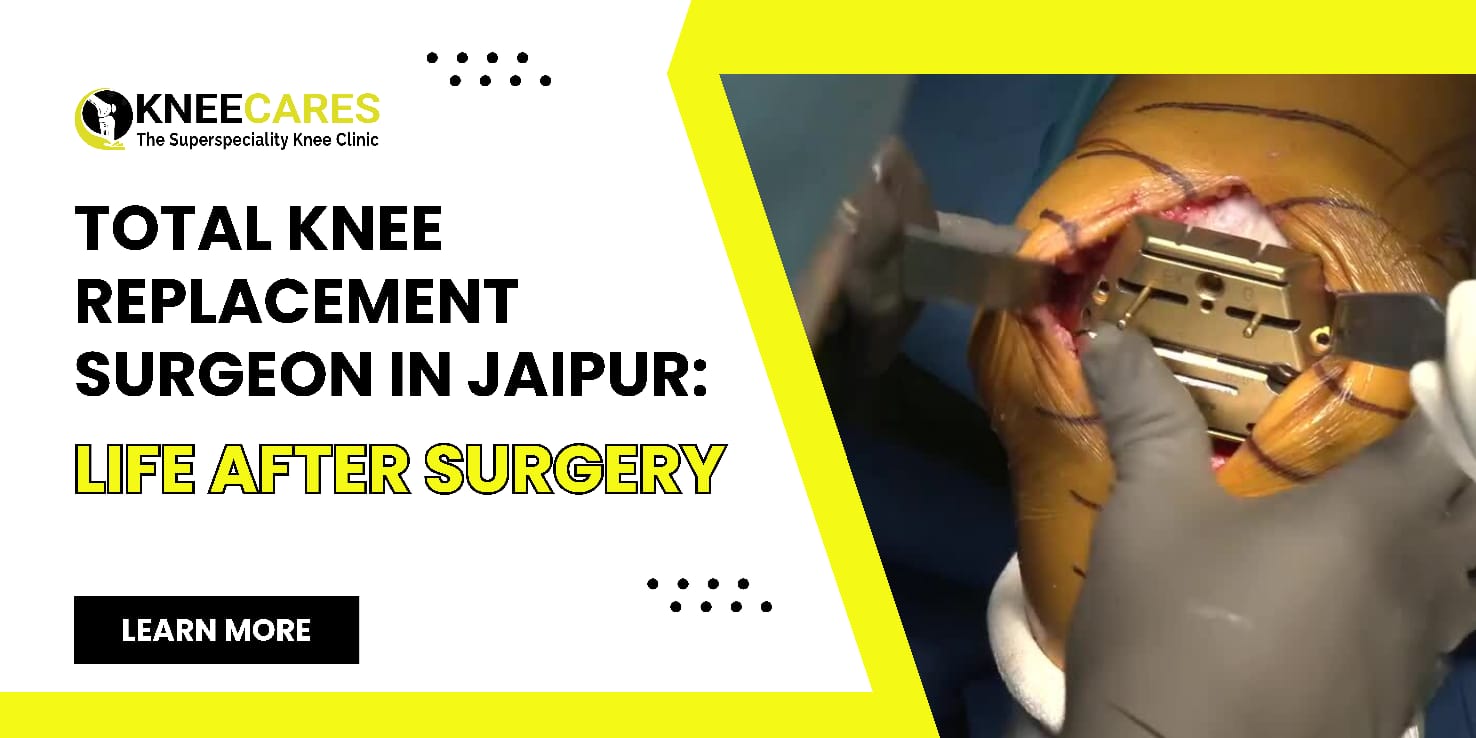
Knee pain can make even simple daily activities difficult. Walking, climbing stairs, standing for long periods, or even sleeping comfortably may become a challenge. For many patients suffering from severe arthritis or chronic knee joint damage, Total Knee Replacement (TKR) surgery offers a new beginning. Choosing an experienced Orthopedic Surgery specialist can help patients regain mobility, reduce pain, and improve overall quality of life.
If you are searching for the best Total Knee Replacement Surgeon in Jaipur, understanding life after surgery is just as important as understanding the procedure itself. Many patients worry about recovery, walking ability, exercise, pain management, and how long it takes to return to normal life. This guide explains everything in simple language so patients and families can feel confident about the recovery journey after knee replacement surgery.
What Is Total Knee Replacement Surgery?
Total Knee Replacement is a surgical procedure in which damaged knee joint surfaces are replaced with artificial implants. The surgery is usually recommended for patients suffering from severe osteoarthritis, rheumatoid arthritis, knee deformity, or long-term joint damage that does not improve with medicines, physiotherapy, or injections.
Modern knee replacement surgery uses advanced implants and minimally invasive techniques that help reduce pain and improve recovery time. Most patients experience significant improvement in mobility and daily comfort after successful surgery.
Why Patients Choose Knee Replacement Surgery
Chronic knee pain can affect both physical and mental health. Many patients delay treatment for years because they fear surgery, but living with continuous pain often reduces independence and limits everyday activities.
Patients usually consider knee replacement surgery when they experience:
- Severe knee pain while walking or standing
- Difficulty climbing stairs
- Swelling and stiffness in the knee
- Reduced joint movement
- Knee deformity or instability
- Poor sleep due to knee discomfort
- Limited response to medicines or physiotherapy
An experienced knee replacement surgeon evaluates the patient’s condition using physical examination, medical history, and imaging tests before recommending surgery.
Life Immediately After Knee Replacement Surgery
The first few days after surgery are mainly focused on pain management, safe movement, and starting rehabilitation. Most patients begin standing or walking with support within 24 hours after surgery. Early movement is important because it improves blood circulation, reduces stiffness, and speeds up recovery.
Modern pain management techniques help patients stay comfortable during the recovery period. Physiotherapists guide patients through basic exercises that improve flexibility and strengthen the muscles around the new knee joint.
Patients are usually discharged from the hospital within a few days, depending on their overall health and recovery progress.
Recovery Timeline After Total Knee Replacement
Recovery after knee replacement surgery happens gradually. Every patient heals differently, but most people notice improvements week by week.
During the first few weeks, walking with a walker or support device is common. Mild swelling and discomfort are normal during this stage. Regular physiotherapy plays a major role in helping patients regain knee movement and muscle strength.
By six weeks, many patients can walk more comfortably and perform routine activities with less support. Climbing stairs and moving around the house usually become easier.
Within three to six months, most patients return to a more active lifestyle. They can enjoy walking, traveling, light exercise, and social activities with significantly reduced pain.
Full recovery may continue for up to one year as the knee becomes stronger and more flexible over time.
Can Patients Walk Normally After Knee Replacement?
One of the most common questions patients ask is whether they will be able to walk normally again. In most cases, the answer is yes. Successful knee replacement surgery can greatly improve walking ability and reduce joint pain.
Patients who follow rehabilitation exercises properly often regain good mobility and improved balance. Walking becomes smoother and more comfortable compared to life before surgery.
However, recovery depends on several factors, including age, fitness level, body weight, overall health, and commitment to physiotherapy.
Importance of Physiotherapy After Surgery
Physiotherapy is one of the most important parts of recovery after Total Knee Replacement surgery. The surgery replaces the damaged joint, but physiotherapy helps train the body to use the new joint effectively.
Regular exercise improves:
- Knee flexibility
- Muscle strength
- Joint stability
- Walking balance
- Overall mobility
Patients who skip physiotherapy may experience stiffness and slower recovery. A skilled rehabilitation plan designed by healthcare professionals helps patients achieve better long-term results.
Daily Activities After Knee Replacement
Most patients return to normal daily activities within a few weeks or months after surgery. Simple tasks such as walking, cooking, shopping, and light household work usually become easier once recovery progresses.
Many patients are also able to enjoy activities such as:
- Morning walks
- Light yoga
- Swimming
- Cycling
- Traveling
High-impact sports and heavy physical stress should usually be avoided unless approved by the surgeon.
Diet and Lifestyle After Knee Surgery
A healthy lifestyle supports faster healing and long-term joint health. Patients recovering from knee replacement surgery are often advised to maintain a balanced diet rich in protein, vitamins, calcium, and hydration.
Maintaining a healthy body weight is also important because excess weight places additional pressure on the knee joint. Regular movement and exercise help improve flexibility and support implant longevity.
How Long Does a Knee Replacement Last?
Modern knee implants are designed to last many years. In many cases, knee replacements can function effectively for 15 to 25 years or even longer, depending on lifestyle, activity level, implant quality, and overall health.
Regular follow-up visits with the surgeon help monitor implant condition and ensure proper knee function over time.
Choosing the Right Total Knee Replacement Surgeon in Jaipur
Selecting the right surgeon is one of the most important decisions for successful treatment. Patients should look for a surgeon with strong experience in joint replacement procedures, modern surgical techniques, positive patient outcomes, and advanced hospital facilities.
An experienced orthopedic surgeon not only performs the surgery but also guides patients throughout recovery, rehabilitation, and long-term care.
Many hospitals in Jaipur now offer advanced knee replacement treatments with modern technology, minimally invasive approaches, and personalized recovery programs.
Frequently Asked Questions
Q. Is Total Knee Replacement a safe procedure?
Yes, Total Knee Replacement is considered a safe and effective procedure when performed by an experienced orthopedic surgeon using modern surgical techniques and proper post-operative care.
Q. How painful is recovery after knee replacement?
Some discomfort is normal during recovery, especially in the first few weeks. However, modern pain management methods and physiotherapy help reduce pain significantly.
Q. When can patients climb stairs after surgery?
Many patients start climbing stairs with support within a few weeks after surgery, depending on recovery progress and muscle strength.
Q. Can elderly patients undergo knee replacement surgery?
Yes, many elderly patients successfully undergo knee replacement surgery and experience major improvements in mobility and quality of life after recovery.
Q. When can patients drive again?
Driving may usually resume after several weeks if the patient has regained knee control and the surgeon approves it.
Final Thoughts
Living with severe knee pain can affect every part of life, from mobility to emotional well-being. Total Knee Replacement surgery offers hope for patients who want to move freely and live more comfortably again.
With the help of an experienced Total Knee Replacement Surgeon in Jaipur, patients can achieve significant pain relief, improved mobility, and a better quality of life. Recovery requires patience, physiotherapy, and proper care, but the long-term benefits are often life-changing.
For patients considering knee replacement surgery, understanding life after surgery helps reduce fear and builds confidence about the journey toward a healthier and more active future.
